Overview: Why Material and Weave Matter
Towels are not just about soaking up water; they are about a tactile experience that starts your day or caps it with comfort. The fiber you choose — whether organic cotton, long-staple cotton, linen blends, or hybrid fibers — sets the tone for softness, absorbency, and durability. The weave and GSM (grams per square meter) determine how quickly a towel dries and how plush it feels against your skin.
The domain name beachtowel.org invites a range of interpretations, but the most coherent direction for a trustworthy, evergreen resource is Direction B: a practical guide to towels and textiles. This piece expands on that idea, blending editorial insight with concrete, usable guidance for everyday life — whether you’re selecting a beach towel for sun-drenched days or a plush bath towel for daily routines.
Throughout, we align with responsible sourcing and transparent information. Certifications such as Global Organic Textile Standard (GOTS), Fair Trade, and Made Safe provide benchmarks for ethical fibers and processing. We’ll also explore how to extend the life of towels through sensible care routines and mindful laundering.
Materials: What You’re Really Buying
The most common towel materials fall into a few key families: organic cotton, long-staple cotton, linen blends, and sometimes bamboo or microfiber blends for specialized quick-dry performance. Each offers distinct benefits:
- Organic cotton: GOTS-certified options emphasize no synthetic fertilizers or toxic dyes, delivering a soft hand, good absorbency, and a sustainable production story.
- Long-staple cotton: Typically associated with Turkish or Egyptian cotton, long fibers yield stronger, smoother fibers with better loft and absorbency.
- Linen blends: Linen’s natural breathability and quick-drying characteristics pair with cotton for a weighty but airy towel with a relaxed texture.
- Blends and alternatives: Microfiber and microfiber-cotton blends offer high absorbency and fast drying, though some may feel less plush against the skin than 100% cotton.
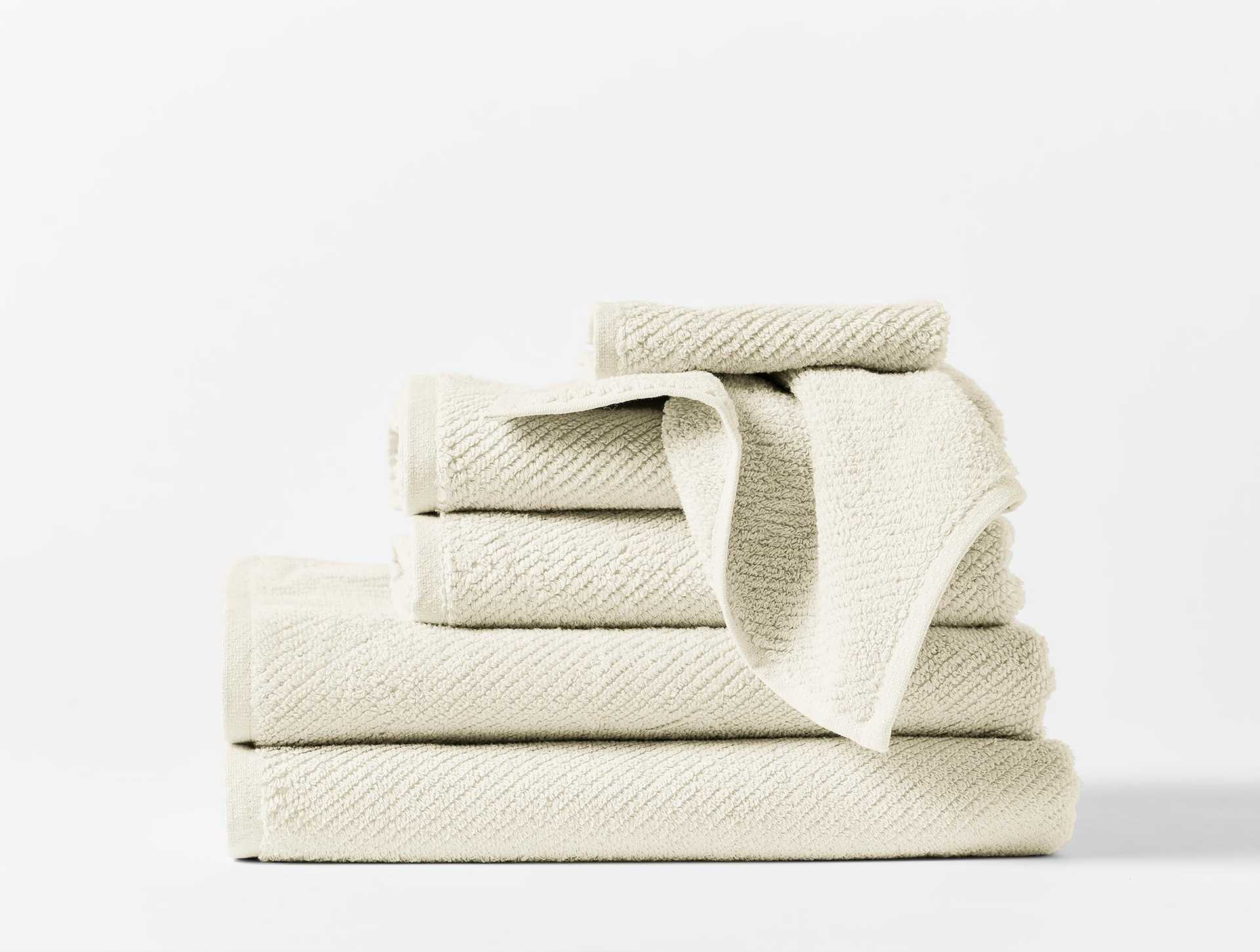
A standout example in the market is a towel set crafted from 100% organic cotton, woven in India, employing a dense twill weave. A set like Air Weight Organic Towels demonstrates how long loops and a twill weave can deliver both robust absorbency and rapid drying, all while carrying strong certifications (GOTS, Fair Trade, Made Safe). Such credentials reassure consumers about fiber origin, processing, and social responsibility.
Product spotlight: Air Weight Organic Towels
100% organic cotton towels, woven in India with a dense twill weave for fast absorption and quick drying. Six-piece set includes two bath towels, two hand towels, and two wash cloths. Certifications: GOTS, Fair Trade, Made Safe.
GOTS
Fair Trade
Made Safe
Weaves and GSM: How Texture Impacts Use
The weave and weight of a towel are the unsung heroes of performance. Terry loops create internal cavities that absorb water; the denser the loom, the higher the potential for absorbency. A towel with a 550–600 GSM is typically plush and absorbent, suited for bath use, while lighter towels (around 500 GSM and below) dry more quickly and are ideal for beach or travel.
Twill weaves, often found in high-end organic cotton lines, bring a smooth surface texture and a slightly denser feel, contributing to durability and reduced wringing during washing. In contrast, jersey weaves offer a softer, stretchier hand that some people prefer for bath towels, though they may trade some absorbency for softness.
Terra cotta of texture: 685 GSM Cloud Loom Organic Towels
A plush, long-staple cotton towel with a high loft that stays fluffy wash after wash. Woven in the Aegean region of Turkey, GOTS-certified.
Air Weight Twill: Absorbency with Speed
550–600 GSM organic cotton towels in a robust twill weave; designed for durability and swift drying.
Care and Longevity: Simple Tips to Extend Life
Proper laundering is the key to extending towel life. Detergents should be mild, and it’s best to avoid fabric softeners and dryer sheets, which can reduce absorbency over time. Sorting by color and washing with like colors helps preserve colorfastness. For white towels, a periodic warm wash with an oxygen-based bleach can restore brightness without harming fibers. Always follow the care label, as GSM and fiber composition dictate the ideal cycle and heat.
- Wash towels separately from clothing to avoid lint transfer and weaken fibers.
- Use a gentle cycle with like colors and cold to warm water (depending on fiber care guidelines).
- Line dry when possible to preserve loft; tumble dry on low if you must use a machine dryer.
Pro care tip: For towels with delicate textures or high GSM, avoid over-drying in a hot dryer; remove promptly to reduce wrinkling and maintain fluff.