Blankets and quilts provide adaptable layers for warmth, comfort, and surface protection in everyday settings. Their construction, weight, and materials influence how they feel and function, from lightweight coverage outdoors to insulating bedding at home. Understanding these differences helps distinguish traditional bedding from beach blankets designed for portable, open-air use.
Blankets are generally flexible single-layer coverings, while quilts typically combine fabric layers with stitching that holds filling or batting in place. These structural differences affect warmth, texture, and how easily a covering folds for storage or transport. In bedding, blankets and quilts can add a useful layer without replacing sheets or other bed coverings.
A beach blanket offers a practical surface for sitting or resting on sand, grass, or other outdoor ground. Size, portability, and fabric feel can shape its suitability for picnics, travel, and shoreline activities. Unlike bath towels, which are primarily designed for drying, a blanket is generally intended to provide broader coverage and a comfortable base.
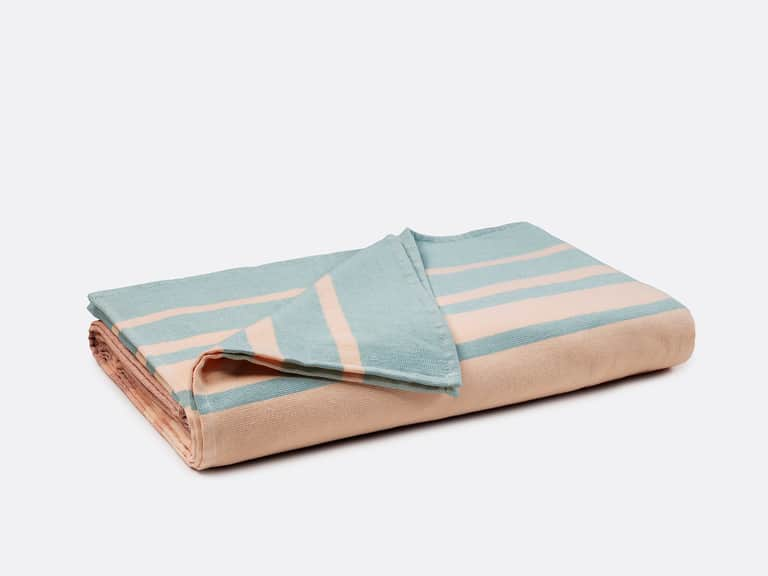
The Laguna Organic Beach Blanket is a beach-focused option within this category. Its name identifies an organic material emphasis, while its blanket format supports uses such as lounging outdoors, covering a picnic area, or adding a layer during travel. These functions make it relevant to bedding and bath-related needs without treating it as a bath towel or robe.
When comparing blankets and quilts, consider intended use, dimensions, material, care guidance, and how the item will be carried or stored. A beach blanket may complement bath towels, bath robes, and other clothing and accessories for trips or outdoor routines. These distinctions clarify how each textile serves comfort, coverage, and practical everyday use.
 Bedding