A Practical Textile Guide
Libeco Linen for Loungewear: How Fiber Weight Shapes Comfort
Linen can feel airy or substantial depending on its yarns, weave, and weight. Knowing how those details work together makes it easier to choose relaxed clothing that feels comfortable through warm afternoons, cool evenings, and the ordinary rhythms in between.
Published November 29, 2026
Loungewear asks a lot of fabric. It should feel pleasant against the skin when you are sitting still, move easily when you get up, and remain comfortable as the room warms or the day cools. Linen has a particular appeal in that role: it is a natural fiber with a distinctive texture and a relaxed drape, yet it can feel quite different from one garment to another.
The word “linen” alone does not tell you whether a shirt, robe, or pair of trousers will feel light as a cover-up or weighty enough for a breezy evening. Fiber length and yarn construction matter, as do the weave, finishing, and amount of fabric in the garment. Fabric weight is a useful clue, but it is only one part of the story.
Libeco is associated with linen textiles, and its linen can be considered through the same practical questions that apply to loungewear from any maker: What is the fabric’s weight? How is it woven? Does it drape or hold its shape? What does the care label recommend? Looking closely at those features gives a more reliable picture of comfort than relying on a fiber name or a promise of softness alone.
What fabric weight tells you—and what it doesn’t
Textile weight is commonly expressed in grams per square metre, abbreviated as GSM, or in ounces per square yard. It describes the mass of a defined area of fabric. As a broad rule, a higher number means more material per area, which can contribute to a fuller, more substantial feel. A lower number may suggest a lighter cloth that is easier to pack and can feel less enveloping.
That comparison is useful, but it is not a comfort rating. Two fabrics with similar weights can behave differently because their yarns and weave structures differ. A loose, open weave may feel airy even when the cloth has some body. A compact weave may feel denser and less yielding at a similar weight. Finishing can also change the hand: washed linen may feel more relaxed than an untreated or crisp fabric, while repeated laundering can gradually soften the surface.
Weight also describes fabric, not the complete garment. A generously cut robe uses more cloth than a sleeveless top, and lining, pockets, facings, and layered construction can add warmth or bulk. When assessing linen loungewear, consider the fabric specification alongside the garment’s cut and intended use. A light material in a full-length robe may still feel more covering than the same cloth in a loose shirt.
- Lower fabric weight: often easier to pack and less substantial on the body, though weave and cut still determine airflow and coverage.
- Middle-range weight: can offer a useful balance of drape and substance for pieces worn through much of the year.
- Higher fabric weight: may feel more structured or enveloping, but does not automatically mean warmer or more durable in every garment.
Why weave changes the experience
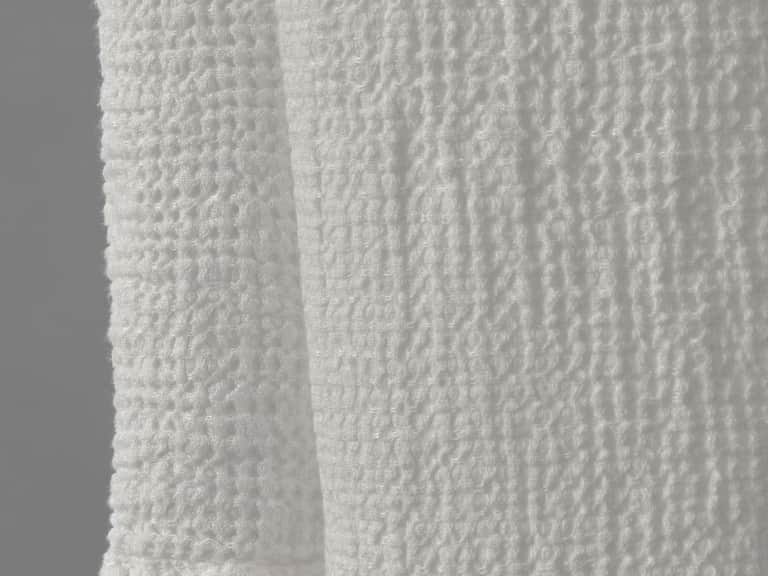
Weave is the arrangement of yarns crossing over and under one another. It influences a fabric’s surface, flexibility, density, and the way it falls. Plain weaves tend to have a straightforward, balanced structure. Twills often show diagonal lines and can have a supple hand. Textured constructions create raised or recessed areas that make the surface more noticeable to the touch.
For loungewear, those differences show up in small, everyday moments. A fluid weave may move easily around the body and feel less restrictive when sitting or stretching. A firmer weave can hold a cleaner outline and resist collapsing into folds, but may feel less breezy depending on its density. Texture can add visual character and a tactile quality, although people vary in how they experience it against bare skin.
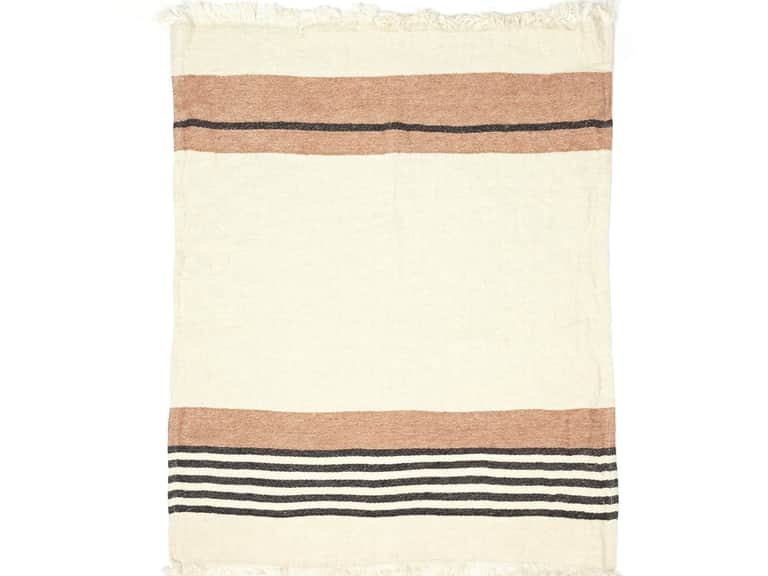
Fouta-style linen offers a helpful example of how weave and use work together. The Libeco Belgian Towel Fouta Inyo is described as a 100% linen textile with a washed finish and sateen weave. It is designed as a multipurpose towel for beach, sauna, or lounging use—not as loungewear—and its product information does not specify a fabric weight. Still, its stated construction illustrates why fiber content by itself is not the whole story: weave and finishing are also part of the fabric’s character.
When a clothing listing does not describe its weave, a close look at the fabric description, garment photos, and care label may help. If details such as weight or construction are missing, avoid guessing from appearance alone. A polished photograph can make a cloth look lighter, heavier, or softer than it feels in everyday use.
Drape: the feel of how linen falls
Drape is the way fabric hangs and moves under its own weight. It affects whether a robe falls close to the body, a relaxed shirt swings freely, or wide-leg trousers create a soft line as you walk. Linen’s natural texture gives it a character that is usually more relaxed than a smooth, highly fluid fabric, but the effect can range from crisp to soft according to yarn, weave, weight, and finishing.
A lighter linen may flutter and fold readily, which can suit loose summer pieces. A more substantial cloth may hang in broader folds and feel reassuringly present without needing to fit closely. Neither effect is universally better. The right drape depends on whether you want a garment to skim, flow, or hold a more defined silhouette.
Fit and construction deserve equal attention. Shoulder seams, sleeve width, waist ties, and trouser rise all influence ease of movement. A fabric with a pleasant hand can still feel uncomfortable if the garment pulls across the back or catches at the hips. For relaxed wear, look for enough room to sit, bend, and layer without excess fabric becoming cumbersome.
Breathability and changing temperatures
Linen is often chosen for warm-weather clothing because its construction can allow air to circulate, and the fiber can handle moisture in a way many wearers find comfortable. But “breathable” does not mean every linen garment feels cool in every situation. A dense weave, multiple layers, a close fit, or a lined design can make a piece feel warmer than an open, loose-fitting one.
For a warm afternoon at home, a loose shirt or lightweight wrap may provide coverage without feeling overly enclosed. In a cooler room, a longer robe or a more substantial pair of trousers can add a sense of comfort, especially when layered over a base garment. The aim is not to find one linen weight that works in every season, but to understand how a specific fabric and silhouette suit your routine.
Temperature comfort is also personal. Some people prefer a light layer even when the weather is mild; others reach for a more substantial robe as soon as the sun goes down. Consider the setting where the garment will be worn, whether windows are open, and whether you tend to feel warm or cool. A versatile loungewear wardrobe can include different weights rather than asking one piece to do everything.
A simple way to compare linen options
Product descriptions can sound similar, so it helps to compare garments using the same practical checklist. Start with fiber content, then look for measurable or construction details. If a listing gives a fabric weight, compare it with another listing only when the units and measurement refer to the same thing. If there is no weight, use the stated weave and intended use as clues, but treat them as clues—not guarantees.
- Check the fiber content. Confirm whether the fabric is pure linen or a blend. A blend may change the hand, appearance, and care needs.
- Look for fabric weight. Note whether it is stated in GSM or ounces per square yard. If it is absent, do not infer an exact weight from a product name.
- Find the weave or construction. Terms such as plain weave, twill, or sateen describe structure, while “washed” usually refers to a finishing treatment.
- Consider the silhouette. A roomy cut promotes ease, while garment length, layering, and details add coverage or bulk.
- Read the care instructions. Washing and drying guidance can affect how practical the fabric is for your household.
- Think about when you will wear it. Match the fabric and cut to your usual room temperature, season, and layering habits.
Texture, softness, and the first-wear question
Linen’s surface is part of its appeal. Small variations in yarn and weave can give it a natural, tactile appearance, while creases are a familiar feature of the fiber. That texture should not be confused with poor quality, though individual preferences differ: some people enjoy the lived-in look, while others prefer a smoother finish and more structured appearance.
New linen may feel firmer than linen that has already been washed and worn. A washed finish can give a textile a softer, more relaxed hand from the outset, but the phrase does not mean every fabric will feel identical. Softness is affected by the yarn, construction, finishing, and laundering. If possible, touching a fabric sample or garment can be more informative than relying on descriptive words alone.
Think, too, about the skin-contact points. Collars, cuffs, waistbands, and seams may matter more than the broad surface of the cloth. If you are sensitive to texture, check whether seams are bulky and whether the garment is intended to be worn over another layer. Comfort is a combination of material and design, not a single fiber property.
Care habits that help linen last
Loungewear is meant to be used, so practical care matters. Always begin with the garment’s own label: linen pieces can differ in weave, dye, trim, and finishing. A gentle wash and a mild detergent are often a sensible approach when consistent with the instructions. Avoid overcrowding the washer, which can leave garments twisted together and may place unnecessary strain on seams and fabric.
After washing, reshape the garment and dry it according to its care label. Air drying can reduce exposure to high heat, while a low dryer setting may be permitted for some items. Do not assume that all linen responds the same way to machine drying. High heat and aggressive tumbling can contribute to shrinkage or excess wear in some fabrics, so follow the maker’s guidance rather than using a universal rule.
Remove a garment when it is dry, or while it is slightly damp if you plan to smooth it. Linen can crease during washing and drying; that is a normal feature of the fabric, not necessarily a problem to solve. If you prefer a neater finish, use an iron or steamer only as directed, paying attention to the recommended temperature and whether the fabric should be damp. Store linen clean and fully dry, with room for air to circulate.
- Separate similar colors when washing, especially for newly purchased or deeply colored pieces.
- Use the gentlest suitable cycle and detergent permitted by the care label.
- Do not leave damp linen bunched in a washer or laundry basket for long periods.
- Dry fully before storing to help prevent stale odors from lingering.
- Address spots promptly using a method appropriate for the fabric and dye.
Common assumptions worth reconsidering
“Heavier linen is always warmer.” Weight can contribute to a more substantial feel, but weave, fit, lining, and airflow also influence warmth. A heavier, open garment may feel different from a lighter, closely woven one.
“Lighter fabric is always more comfortable.” A very light cloth can feel effortless in heat, yet some wearers prefer a fabric with more body, coverage, or structure. Comfort depends on the person and the setting.
“A premium fiber needs no special thought.” Material reputation cannot replace attention to construction and care. Check the actual composition, product details, and instructions for the item you are considering.
“Wrinkles mean the fabric is worn out.” Linen creases readily. Wrinkling is part of its familiar appearance and does not automatically signal damage. Persistent weakening, holes, or seam failure are different issues and deserve closer attention.
Choosing a weight for the way you lounge
For a warm-climate wardrobe, start with loose shapes and lighter-feeling fabrics that allow room for movement. A soft, airy shirt or simple wrap may be more useful than a thick, full-length piece if you often feel warm indoors. Consider how much coverage you want and whether the fabric will be worn directly against the skin.
For year-round use, look for a balance: enough substance to feel comfortable when the room cools, without so much bulk that the garment becomes difficult to layer. A relaxed robe in a moderately substantial fabric can serve as an easy top layer, while lighter separates remain useful on warmer days. Since actual weight specifications are not always provided, pay attention to detailed construction descriptions and the garment’s cut.
If you travel with loungewear, packing and drying become part of the decision. A lighter piece usually occupies less space, while a compact weave or smaller silhouette may be easier to fold neatly. Check the care instructions before taking a linen garment somewhere with limited laundry facilities. A fabric that suits your travel routine is more likely to become a dependable favorite.
The takeaway: comfort is a combination
When considering Libeco linen for loungewear, think beyond the fiber label. Fabric weight gives a useful indication of substance, while weave influences texture and movement. Drape shapes how a garment falls; cut determines whether it feels easy to wear; and care practices help preserve its appearance over time.
There is no single best linen weight for every body, room, or season. A relaxed summer piece may benefit from a lighter hand and open construction, while a cooler evening calls for more coverage or a layer with added substance. Where exact specifications are available, use them. Where they are not, compare the stated fiber, weave, finish, silhouette, and care guidance—and resist treating a product description as more precise than it is.
The most comfortable linen is ultimately the one that works in your real routine: soft enough for long, unhurried hours, practical enough to care for, and suited to the temperatures in which you will actually wear it.
Quick FAQ
Does a higher linen weight always mean better quality?
No. Weight describes the mass of a given area of fabric, not its overall quality. Fiber, yarn, weave, finishing, construction, and intended use all matter.
Is linen suitable for loungewear in cooler weather?
It can be, particularly when the garment offers enough coverage or is layered. A more substantial fabric may feel more enveloping, but the weave, fit, and room temperature remain important.
How should linen loungewear be washed?
Follow the care label for the particular garment. Gentle washing and thorough drying are helpful general habits, but temperature and machine-drying instructions vary by fabric and finish.